EmpCo is Directive (EU) 2024/825 on empowering consumers for the green transition. From 27 September 2026 it bans generic environmental claims such as “eco” or “climate friendly” without recognised excellent environmental performance, claims that a product is climate neutral because of offsets, and self-made sustainability labels, and it requires a public, independently checked plan behind claims about future performance such as net zero. It applies to claims made to consumers, through national unfair competition law.
What is EmpCo?
EmpCo is the common short name for Directive (EU) 2024/825 on empowering consumers for the green transition. It amends two existing EU laws, the Unfair Commercial Practices Directive and the Consumer Rights Directive, to stop greenwashing and early obsolescence. Member states had to transpose it by 27 March 2026, and the new national rules apply from 27 September 2026, to companies of every size.
Environmental claims that are banned outright
EmpCo adds practices to the EU blacklist: they are unfair in all circumstances, without anyone having to prove that a consumer was misled. Recognised excellent environmental performance means, for example, the EU Ecolabel or an officially recognised ecolabel.
- Generic environmental claims such as “eco-friendly”, “green” or “climate friendly”, unless you can show recognised excellent environmental performance relevant to the claim.
- Claims about a whole product or business when they are true for only one part of it.
- Claims that a product has a neutral, reduced or positive impact on the climate because emissions were offset.
- Sustainability labels that are not based on a certification scheme or set up by a public authority.
- Presenting what the law requires of everyone as a distinctive feature of your offer.
Durability and repair claims
EmpCo also targets early obsolescence. From the same date, these practices are banned as well:
- Claiming a durability in usage time or intensity that the product does not have under normal use.
- Presenting a product as repairable when it is not.
- Prompting consumers to replace consumables, such as ink cartridges, earlier than needed.
- Hiding that a software update will make a product work worse, or presenting an optional update as necessary.
- Selling a product with a feature built in to limit its life, when you know about that feature.
Claims about the future and comparisons
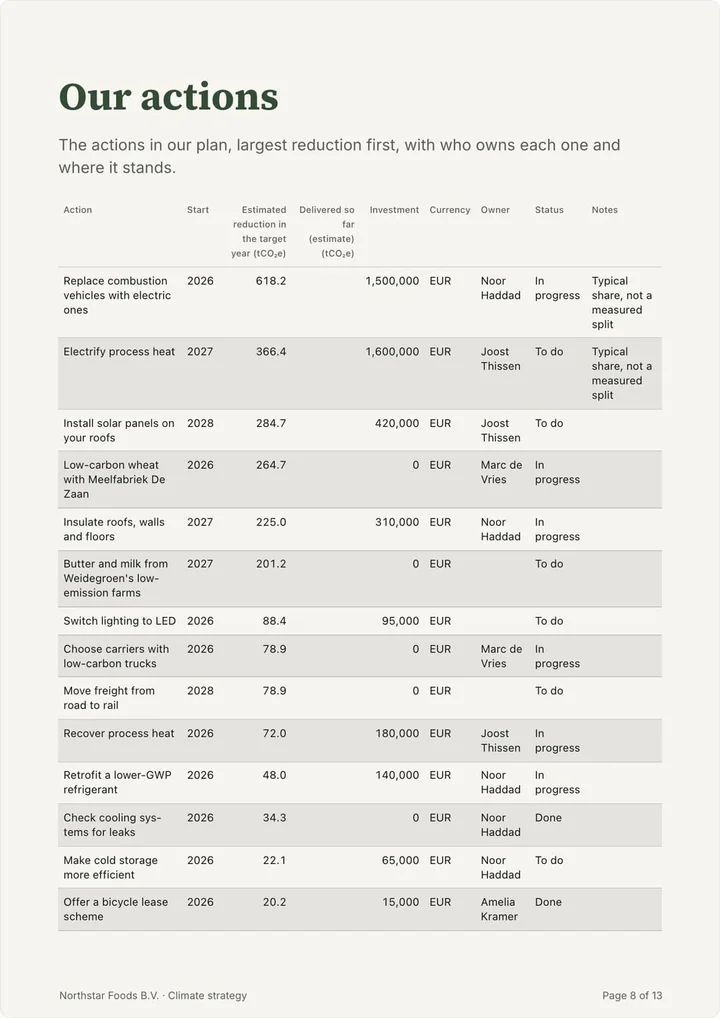
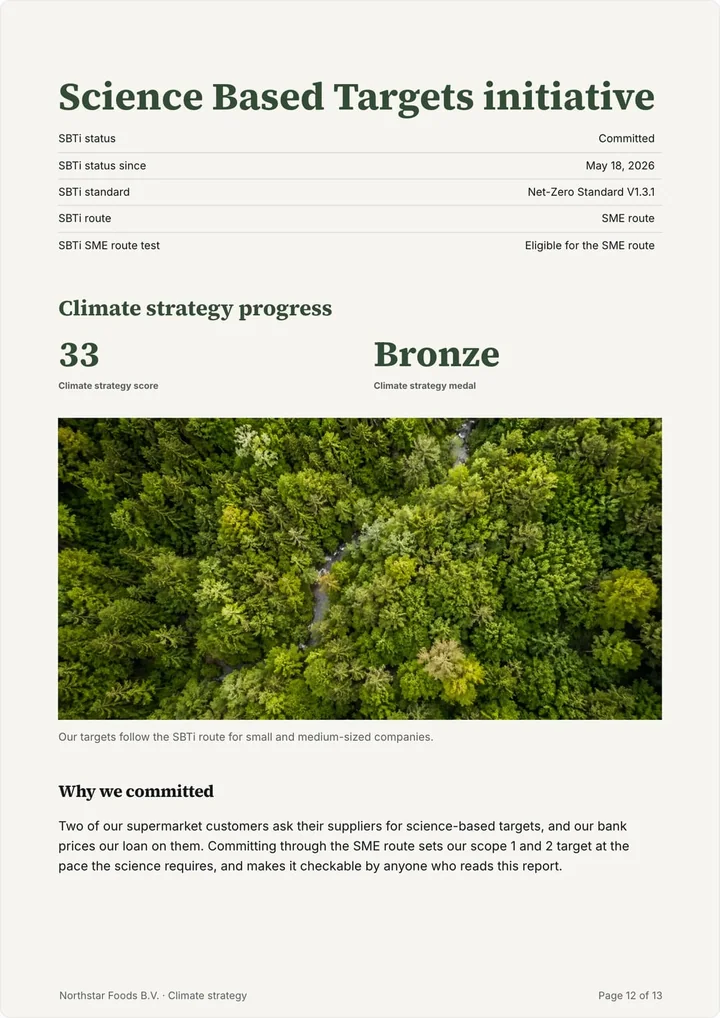
A claim about future environmental performance, such as “net zero by 2040”, is misleading unless it is backed by clear, public and verifiable commitments: a detailed and realistic implementation plan with measurable, time-bound targets, and regular checks by an independent expert whose findings are available to consumers. A comparison between products on environmental grounds must explain the method, the products compared and how the information is kept up to date.
Who it applies to, and who enforces it
EmpCo protects consumers, so it governs what companies tell consumers: in advertising, on packaging, on websites and in social media. Claims between businesses fall under national unfair competition law, which in some countries, such as Germany, also protects business customers against misleading claims. National consumer authorities enforce the rules, and in several countries competitors and consumer associations can also take action through warning letters and court injunctions.
Germany: the UWG amendment
Germany transposed EmpCo with an amendment to the Act against Unfair Competition (UWG), passed by the Bundestag in December 2025 and published in the Federal Law Gazette in February 2026. Claims such as “klimaneutral” were already contested in German courts before the directive: in 2024 the Federal Court of Justice ruled that an ambiguous climate claim in advertising must be explained in the advertisement itself.
What happened to the Green Claims Directive?
In 2023 the Commission proposed a second law, the Green Claims Directive, with detailed rules for substantiating and verifying environmental claims before they are made. In June 2025 the Commission announced it intended to withdraw the proposal, and negotiations stopped. EmpCo does not depend on it and applies anyway.
Doing it in Greener Ahead
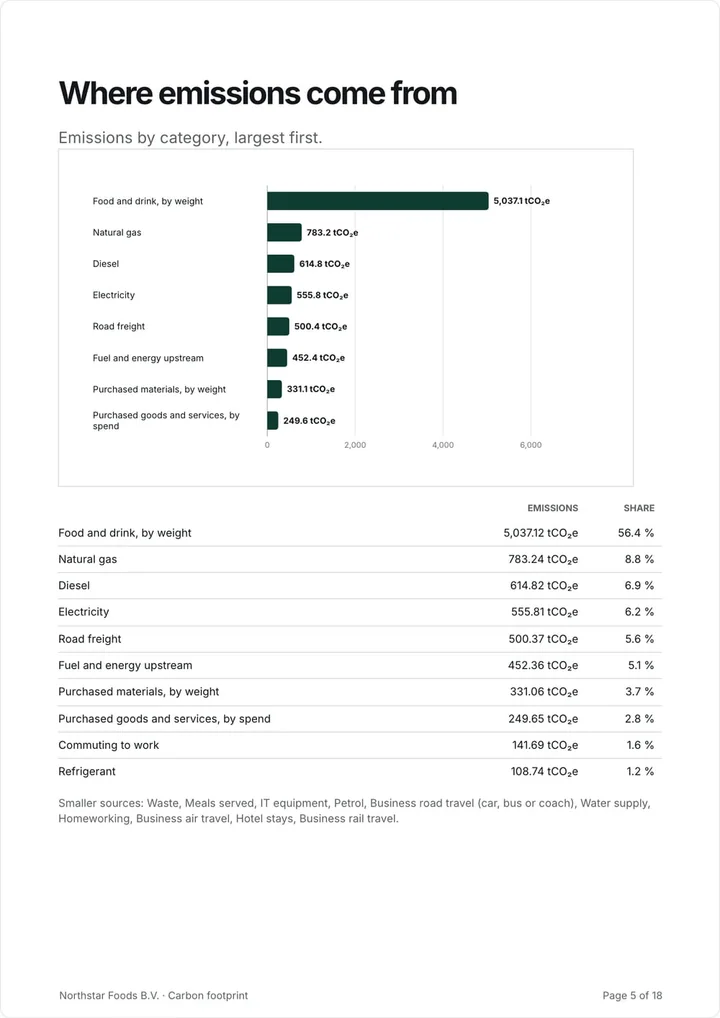
Carbon accounting in Greener Ahead gives you the figures behind specific claims: your footprint by scope and year, with the emission factor and source behind every tonne, and offsets kept apart from it. It costs €1,495 per year with unlimited users, and you can try it free for 14 days without a card. Climate strategy, coming soon, adds targets checked against the SBTi criteria and a reduction plan with an owner for every action, the kind of plan a claim about the future needs. Check the pricing page for current details.
Claims checked against EmpCo
How six common claims fare under the new rules.
| Claim | Allowed under EmpCo? | Why |
|---|---|---|
| “Eco-friendly packaging” | No, unless backed by recognised excellent environmental performance | Generic environmental claim |
| “Climate neutral product”, based on offsets | No | Neutrality claim based on offsetting |
| “Made of 80% recycled cardboard” | Yes, with evidence | Specific and verifiable |
| “Net zero by 2040” | Only with a public, detailed plan checked by an independent expert | Claim about future performance |
| Your own “green choice” label | No | Sustainability label without a certification scheme |
| “We financed a forest project” | Yes, if kept apart from claims about your product or emissions | Describes a contribution, not the product |
Steps to check your claims
Most of the work is finding every claim you make.
- List every environmental claim on your website, packaging, product pages, advertising and social media.
- Remove or rewrite generic claims and offset-based neutrality claims.
- Replace self-made labels with certified ones, or drop them.
- Keep the calculation and documents behind each specific claim.
- For a net zero or reduction target you communicate, publish the plan and arrange independent checks.
Sources and scope
- EUR-Lex: Directive (EU) 2024/825 on empowering consumers for the green transition
- EUR-Lex: Directive 2005/29/EC on unfair commercial practices
- European Commission: green claims
These resources explain a preparation workflow. Check your selected standard and recipient requirements before sharing your report.
 Joost ThissenFounder