The European Parliament adopted the deal on price safeguards for ETS2 on 15 September 2026, by 467 votes to 158 with 41 abstentions. ETS2 is the EU's second emissions trading system. It puts a carbon price on the fuel used to heat buildings and to drive on Europe's roads, and on fuel for small industry not covered by the existing system. It starts in 2028, a year later than first planned.
The Council agreed the same text with Parliament in June and still has to adopt it formally. It then enters into force 20 days after publication in the Official Journal.
What the safeguards change
ETS2 already had a market stability reserve, a stock of allowances that is released when prices rise too fast. The new rules make it stronger:
- A bigger release when prices are high. When the price goes above €45 per tonne, in 2020 prices, the reserve releases 40 million allowances instead of 20 million.
- A release when supply runs low. When fewer than 260 million allowances are in circulation, extra allowances are released gradually: the lower the number, the larger the release, reaching 100 million when the number falls to 210 million.
- No expiry. Allowances in the reserve stay valid after 31 December 2030, so the buffer does not disappear at the end of the decade.
Two other measures from the June agreement work alongside it. Early auctions of ETS2 allowances start in 2027, and a facility run by the Commission and the European Investment Bank offers member states up to €3 billion for 2026 and 2027 to prepare. The Commission will also assess how ETS2 is working by October 2027, including how vulnerable households are protected.
How ETS2 got here
| Date | Step |
|---|---|
| 2023 | ETS2 created, with a planned start in 2027 |
| 18 March 2026 | Regulation (EU) 2026/667, the 2040 climate target, published; it postpones ETS2 to 2028 |
| 11 June 2026 | Council and Parliament agree the price safeguards |
| 15 September 2026 | Parliament adopts the safeguards |
| 2027 | Early auctions of allowances; Commission assessment by October |
| 2028 | ETS2 carbon price applies to fuel suppliers |
What it adds to a fuel bill
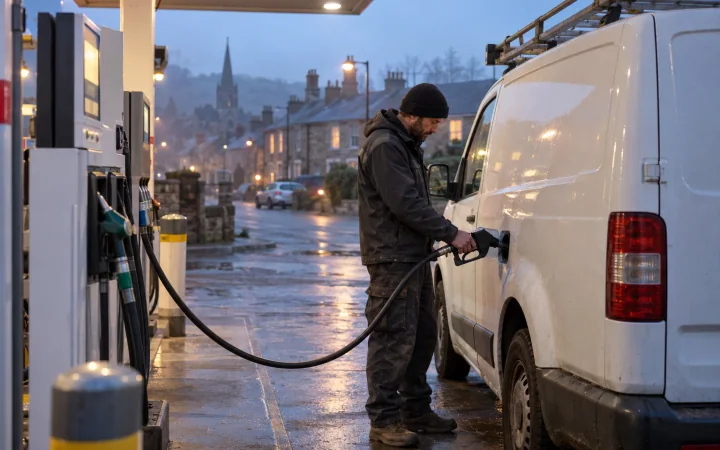
ETS2 is paid by fuel suppliers, not by the companies that burn the fuel, but the cost reaches you through the price per litre or per kWh. Each €10 per tonne of CO₂ adds roughly, before VAT:
| Fuel | Added cost |
|---|---|
| Diesel | 2.7 cents per litre |
| Heating oil | 2.7 cents per litre |
| Petrol | 2.3 cents per litre |
| Natural gas | 0.2 cents per kWh |
So a price of €45 per tonne would add around 12 cents to a litre of diesel. In Germany, which already prices these fuels nationally at €55 to €65 per tonne in 2026, the national system is set to give way to ETS2 for the same fuels from 2028.
What companies can do now
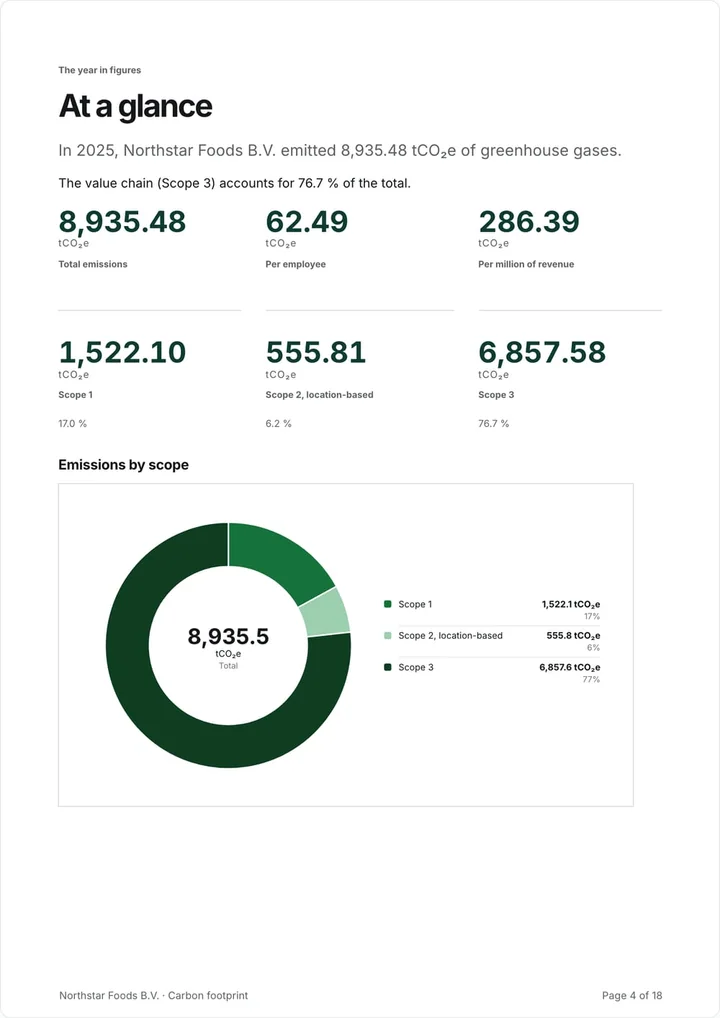
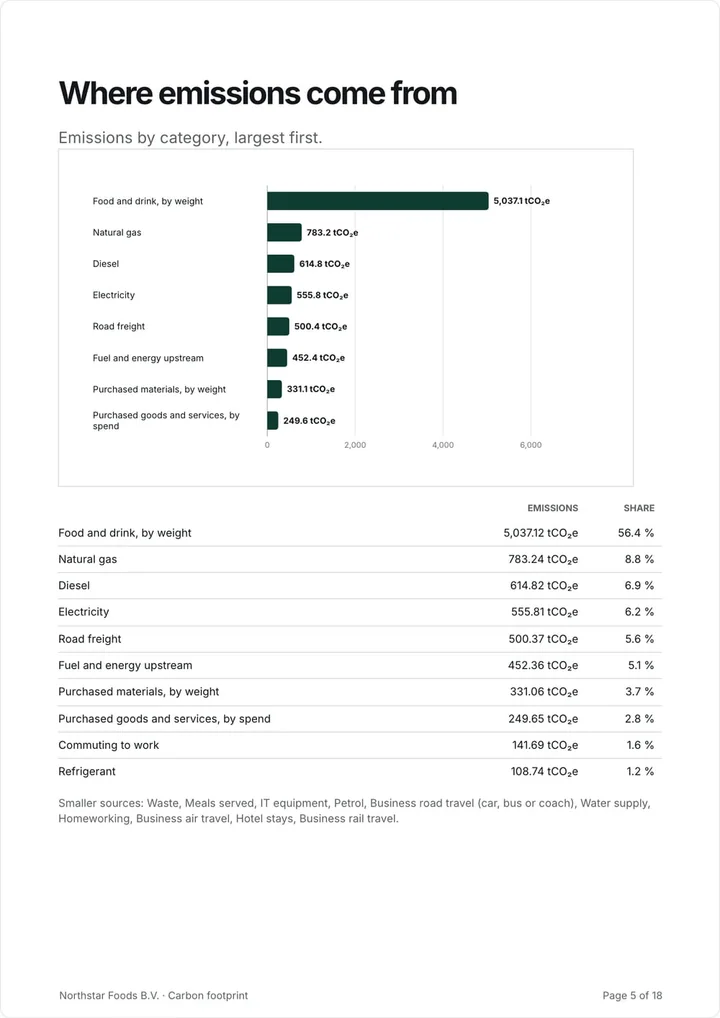
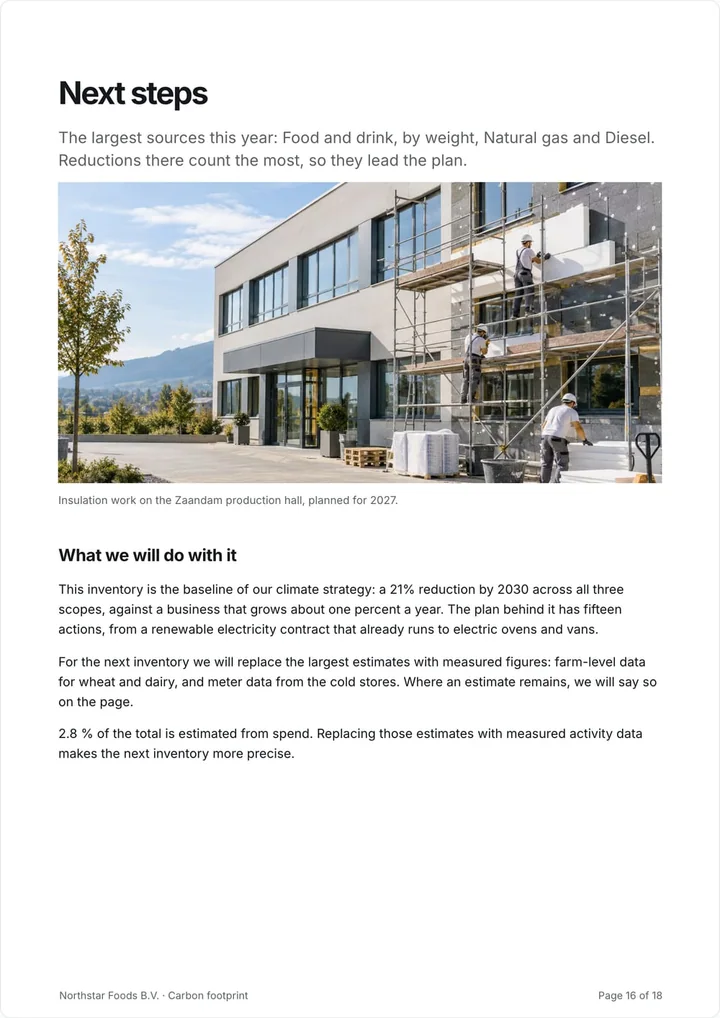
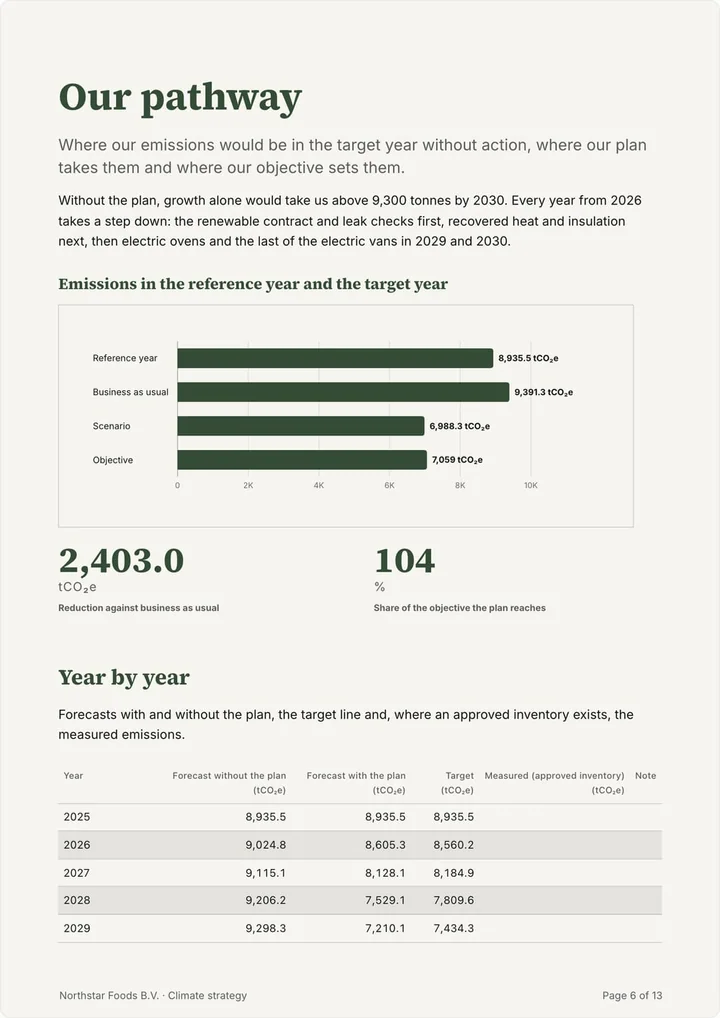
The fuel you will pay ETS2 on is the same fuel that makes up most of your Scope 1 emissions: gas for heating, diesel and petrol for vehicles. If you already measure it in litres and kWh for your carbon footprint, you can put a price on 2028 today: multiply the tonnes by a few price levels and see what it does to your budget. Every boiler, van and car you replace with an electric one before 2028 takes that line out of the calculation.
For how ETS2 works in detail, see our guide to the ETS2 carbon price on heating and road fuel, and for Germany, the guide to the national CO₂ price. Carbon accounting in Greener Ahead records fuel by litre and kWh per site and vehicle and turns it into Scope 1 emissions.
 Joost Thissen