The rules for phase 4 of the Energy Savings Opportunity Scheme (ESOS) are now settled. The Energy Savings Opportunity Scheme (Amendment) Regulations 2026 came into force on 22 July 2026, and on 30 July the Environment Agency published its guidance on how to comply with phase 4. Large UK organisations qualify on 31 December 2026 and must notify compliance by 5 December 2027.
The phase 4 dates
| Date | What happens |
|---|---|
| 22 July 2026 | Amendment regulations in force |
| 30 July 2026 | Environment Agency phase 4 guidance published |
| 5 December 2026 | Phase 3 participants submit their annual progress update |
| 31 December 2026 | Qualification date: are you a large undertaking on this day? |
| 5 December 2027 | Phase 4 compliance date: assessment done and compliance notified |
| By 5 December 2031 | Third progress update on the phase 4 action plan |
The thresholds have not changed. An organisation qualifies if it employs 250 people or more, or if it has an annual turnover above £44 million and a balance sheet total above £38 million, or if it belongs to a group that includes such an undertaking.
What the amendment changes
- Two compliance routes are gone. Display Energy Certificates and Green Deal assessments no longer count, because they are no longer considered to meet best practice.
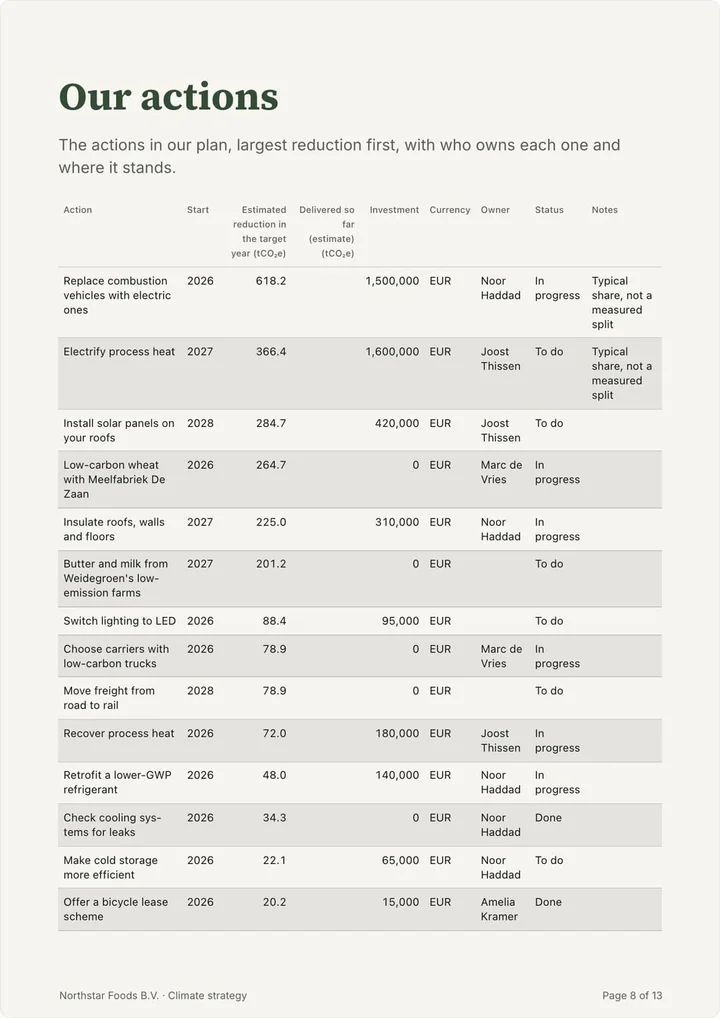
- Look back before you look forward. The assessment must review the action plan from phase 3 and identify measures that were proposed but not carried out.
- Savings are reported per measure. The ESOS report and the compliance notification must give the energy savings achieved in the phase, the measures that achieved them, the energy saving category each measure belongs to, and the savings from each measure.
- A third progress update. Action plans now get a third annual progress update, in the last year of the following phase. For phase 4 that is by 5 December 2031.
- An easier ISO 50001 route. An organisation whose ISO 50001 certificate covers its total or significant energy consumption no longer needs to produce an ESOS report or appoint a lead assessor.
- Lead assessors report their work. They must tell their professional body about each ESOS assessment they review.
The net zero assessment once planned for ESOS has been deferred indefinitely, so it is not part of phase 4.
What to do between now and December 2027
The reference period for the energy data is a continuous 12 months that includes the qualification date, so for most organisations the data being created now will be the data that counts. Three steps make the rest easier:
- Pull together the phase 3 action plan and note, measure by measure, what was done, what it saved and why anything was dropped. The assessment now asks for exactly that.
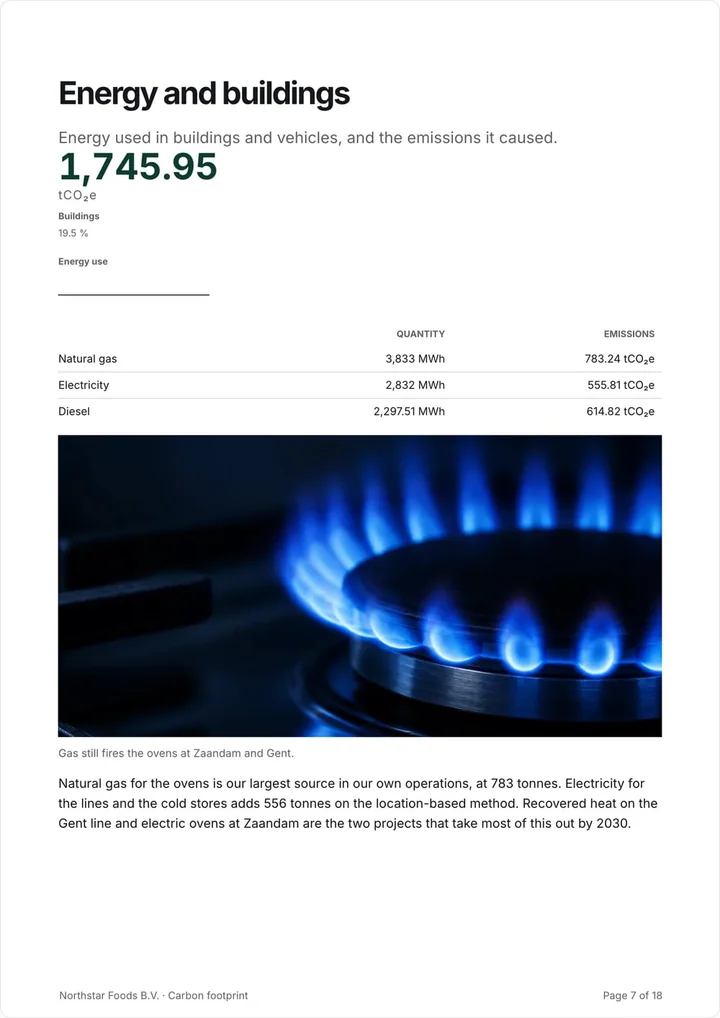
- Collect energy use for the reference period by site and by buildings, processes and transport, in kWh, from meter data, invoices and fuel cards. The 95% significant energy consumption follows from it.
- Decide on the route. If ISO 50001 already covers most of your energy, check whether its scope reaches your total or significant consumption, because that now removes the report and the lead assessor.
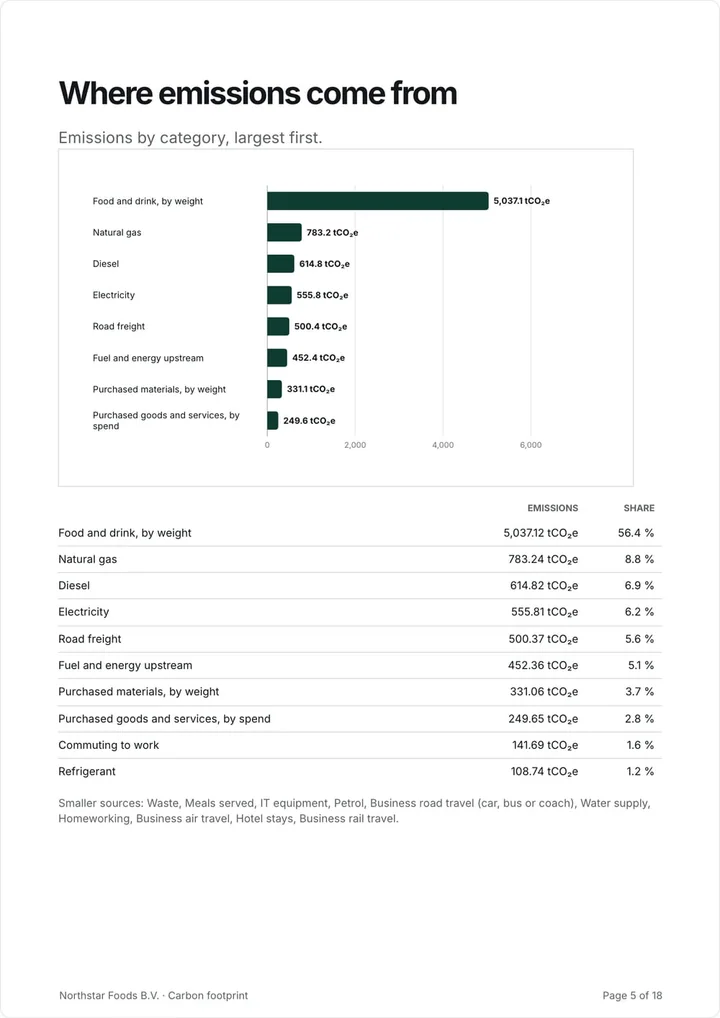
The same kWh figures feed your Streamlined Energy and Carbon Reporting and your carbon footprint, so collect them once. Our guide to ESOS phase 4 covers who qualifies and what an assessment involves, and the guide to ISO 50001 explains the alternative route.
 Joost Thissen