The Science Based Targets initiative (SBTi) published version 2.0 of its Corporate Net-Zero Standard on 11 June 2026, after two public consultations. It is the first major revision since the standard appeared in 2021. Validations against it open in the first quarter of 2027, and companies can still submit targets under the current criteria until 31 January 2028.
More than 11,000 companies hold validated SBTi targets. Theirs remain valid for the rest of their cycle. For everyone setting or renewing a target from 2027, these are the changes that matter.
The main changes
| Topic | Version 1 | Version 2 |
|---|---|---|
| Smaller companies | A separate, simplified SME route | Two company categories, A and B, with different obligations |
| Scope 1 and 2 | One combined target | Separate Scope 1 and Scope 2 targets |
| Scope 2 basis | Location-based or market-based | Location-based figures only; contracts count through the implementation rules |
| Scope 3 boundary | A fixed share of Scope 3 emissions | Every category that is 5% or more of categories 1 to 14 |
| Target cycle | Review at least every five years | Every target set on a five-year cycle, with an end-of-cycle assessment |
| Assurance | Not required | Limited assurance for Category A companies |
| Removals | Neutralise residual emissions at net zero | Category A companies must support carbon removals from 2035 |
Scope 2 targets move to the location-based figure
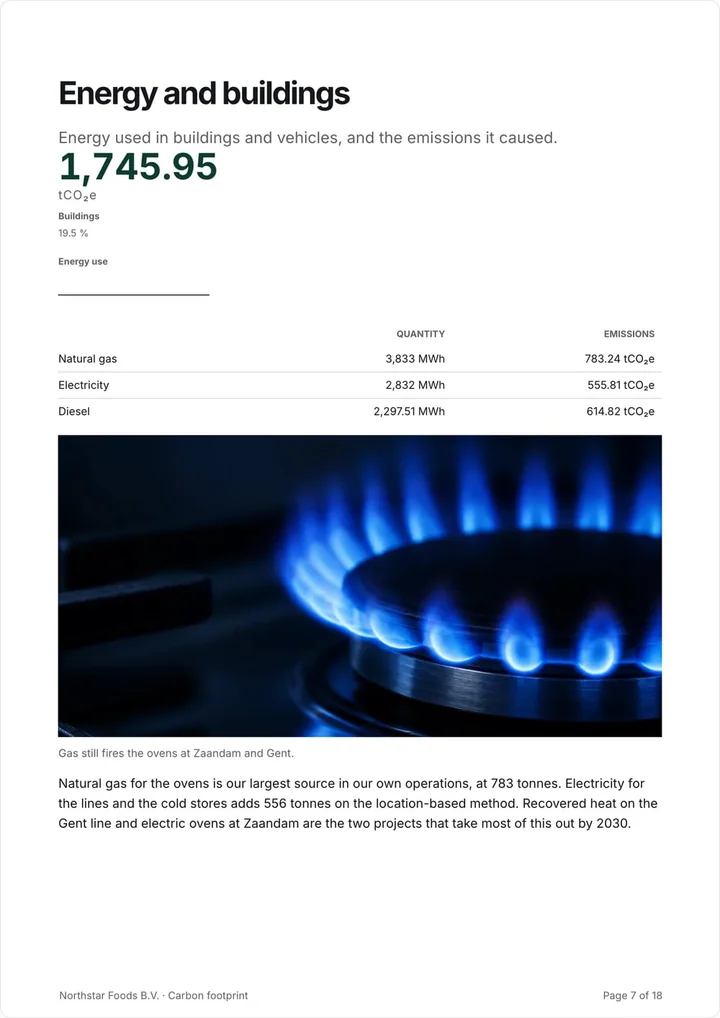
This is the change most likely to surprise. Under version 1, many companies met their Scope 2 target by buying renewable electricity certificates, because the target could be set on the market-based figure. Under version 2, the Scope 2 target is measured on the location-based inventory, the grid average where you use the power. Contracts and certificates still count, but through a separate set of criteria for market instruments, including geographic matching and a 15-year age limit for the generating plant.
For a company in a country whose grid is getting cleaner quickly, that helps. For a company in a coal-heavy grid, it means the target can only be met by using less electricity, generating its own or buying power through qualifying contracts.
Which Scope 3 categories now count
Version 2 replaces the fixed coverage percentage with a significance test: every Scope 3 category that makes up 5% or more of categories 1 to 14 must be covered. Companies can exclude parts of categories 3, 7, 8, 9, 10 and 14 where they cannot influence the outcome, if they report and justify each exclusion. The intensity methods based on a 7% yearly reduction are gone, and long-term Scope 3 targets become optional.
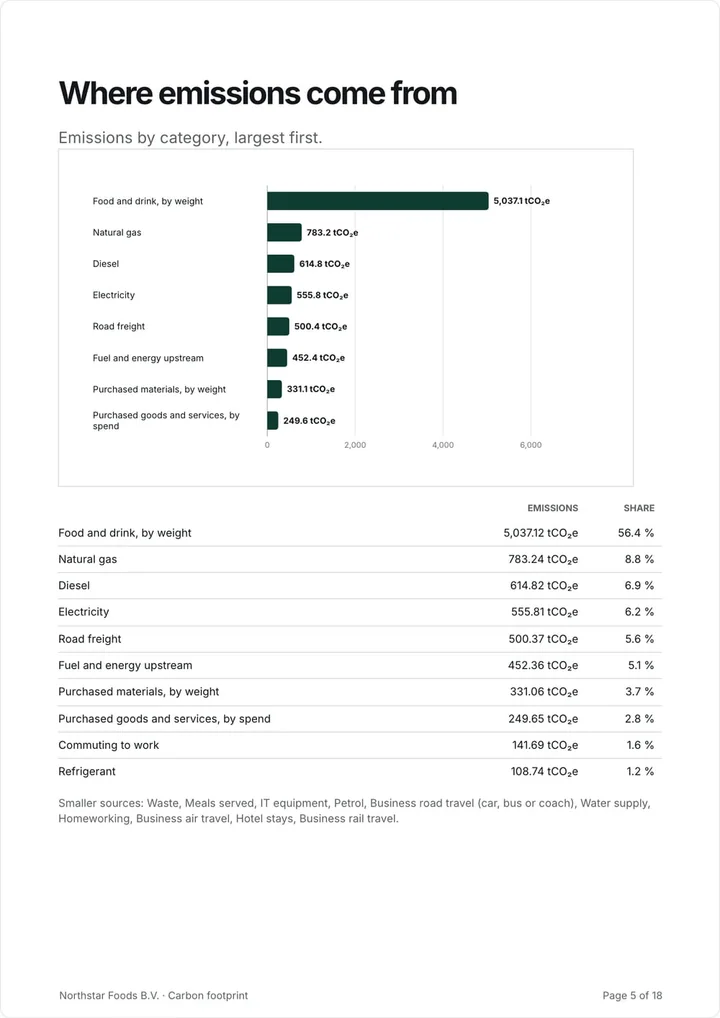
That 5% rule puts a premium on a complete Scope 3 screening. You cannot know which categories cross 5% until you have estimated all fourteen.
What to do if you plan to set a target
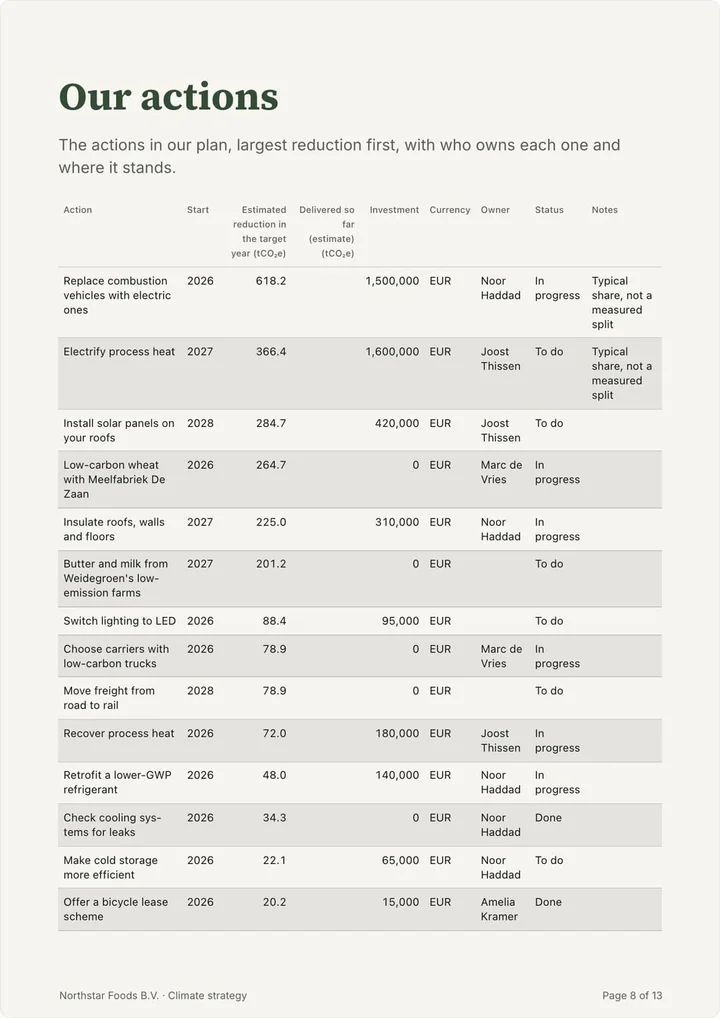
- Before 31 January 2028 you can still submit under the current criteria. If you are close to ready, that may be simpler.
- Calculate both Scope 2 figures now, location-based and market-based, for every site. Version 2 targets need the location-based one.
- Screen all fourteen upstream and downstream categories with at least a spend-based estimate, so you can see which cross 5%.
- Keep evidence behind every figure. End-of-cycle assessments and assurance for Category A mean the inventory will be checked.
Our guide to science based targets explains how the process works, and the guide to the 15 Scope 3 categories helps with the screening. Carbon accounting in Greener Ahead calculates Scope 2 location-based and market-based side by side, and all 15 Scope 3 categories.
 Joost Thissen